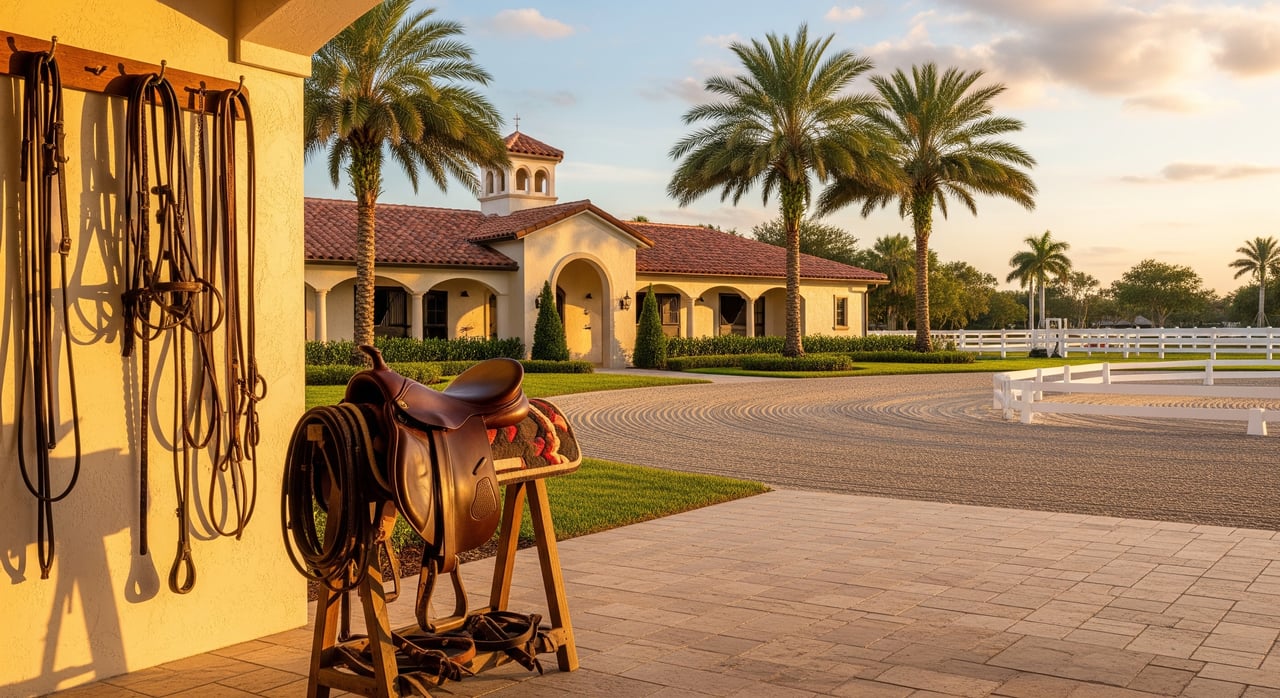
If horses are part of your everyday life, Wellington feels like home the moment you arrive. You see barns tucked behind tree-lined drives, riders on bridle paths, and a calendar that orbits around world-class competition. Whether you ride, own, or simply love the equestrian scene, you want to know how the lifestyle actually works here and what to look for in a property. This guide walks you through daily rhythms, neighborhoods, property features, budgets, and practical steps, including tips for international buyers. Let’s dive in.
Why Wellington is a global horse hub
Wellington is known worldwide for its equestrian focus. The Palm Beach International Equestrian Center hosts the Winter Equestrian Festival, a major hunter-jumper circuit that runs roughly January through April, with events the rest of the year. High-level polo takes center stage at the International Polo Club Palm Beach. Together, these venues attract riders, owners, trainers, and spectators from around the globe.
The Village of Wellington supports equestrian life with horse-friendly infrastructure and zoning that allows properties with barns, arenas, and related facilities. For you as a buyer, that means you can find options that fit everyday training, seasonal showing, or a quieter lifestyle with riding trails.
What the season means for you
Show season shapes day-to-day life. From January to April, there is more traffic near the showgrounds, busier restaurants, and a strong demand for short-term rentals. Service providers like veterinarians, farriers, and transporters run on packed schedules. Off-season is calmer, with regular training, schooling, and local rides.
Day-to-day life, in season and off
In season rhythms
During the winter circuit, mornings start early. You may ride before sunup, head to the showgrounds, then return for turnout or evening hacks. Social calendars fill with exhibitions and matches. If you want convenience, living within a short drive of the venues can be worth a premium during this time.
Off-season pace
From spring through fall, the village feels more like a laid-back suburb with an equestrian twist. You have time to focus on training goals, property improvements, and everyday routines. Local barns and bridle paths stay active, and many owners appreciate the quieter roads and steady service availability.
Neighborhoods and proximity
Close-in convenience
If getting to the showgrounds quickly matters, look at neighborhoods within a few miles of PBIEC. You’ll find single-family homes, plus some townhomes and condos. These areas often appeal to trainers, grooms, and owners who value short commutes during show season.
Equestrian estates and acreage
If you want more space for horses at home, you’ll find 1 to 10-plus acre properties with barns, turnout, and fenced arenas as you move farther out. Privacy and on-site facilities are the draw. You trade a bit of drive time for room to grow, whether you keep a private barn or plan a more robust setup.
Mixed residential with access
Many residential areas offer smaller lots with access to bridle paths or nearby boarding stables. These settings work well if you split time between riding and other routines or prefer having horses boarded close by while you live in a lower-maintenance home.
Housing types and must-have features
What makes a show-ready property
Equestrian properties vary widely, but many include practical elements you use every day. Common features include:
- Barns with 2 to 6 or more stalls, tack rooms, and wash stalls
- Fenced paddocks with safe footing and shade
- Sand or grass arenas with appropriate drainage and good footing
- Space for hay and feed storage, plus equipment sheds
- Trailer parking and a driveway that allows easy turning and loading
- Utility access for watering, lighting, and grooming
Single-family homes in Wellington range from modest ranch styles to custom estates. You’ll also find condos, townhomes, and apartment rentals that work well for staff, visiting family, or a low-maintenance base during show season.
Practical property checks
When you evaluate a horse property, walk it like a barn manager. Focus on:
- Barn quality: stall size, ventilation, shade, and drainage
- Arena: footing quality, base, size, and irrigation
- Water: well or municipal, number of spigots, and pressure for paddocks and wash areas
- Waste: manure storage, compost options, and local disposal rules
- Access: trailer turning radius and safe loading zones
- Electrical: outlets and lighting for grooming, wash racks, and tack rooms
- Resilience: flood zone and elevation, hurricane features, and generator capacity
- Restrictions: HOA or deed rules that affect the number of animals, outbuildings, or any commercial use
Budget and market context
Wellington offers a wide range of housing. Condos and townhomes are typically more affordable than single-family homes, and both are generally less expensive than equestrian estates. Equestrian-ready properties carry a premium because of land, location, and infrastructure. Large acreage with fully equipped show barns often reaches the multi-million dollar range. Your ideal budget depends on how much infrastructure you want at home versus relying on nearby stables and services.
If you are value-focused, consider a home with good bones and room to add features over time. If convenience is key, a property closer to PBIEC with a finished arena and barn may justify the higher price. An agent with local equestrian experience can help you weigh tradeoffs and match lifestyle goals to current inventory.
Ongoing costs, services, and rules
Operating costs to plan for
Your monthly costs depend on how you keep and train your horses. Self-care or pasture board tends to be lower, while full-service show programs cost more and can include feeding, turnout, grooming, and training. Budget for vet and farrier care, lessons, transport, tack, feed, bedding, and arena or fencing maintenance. If you own an equestrian property, plan for irrigation, septic or well upkeep, and periodic arena updates.
Zoning, HOAs, and permits
Before you assume you can board, teach lessons, or run a business from home, check Wellington’s zoning and any county or village permits that might be required. Review HOA and deed restrictions for limits on animals, outbuildings, and commercial activity. These rules vary by neighborhood and can affect how you use the property.
Flood and hurricane readiness
South Florida has low-lying areas, so verify flood zone status and consider flood insurance when appropriate. Look for storm-resilient features like secure stall construction, protected feed storage, and generator capacity. Understand evacuation or shelter-in-place plans for horses and people before the season starts.
A practical buyer checklist
Use this quick list to compare properties and stay organized:
- Confirm drive times to PBIEC and the International Polo Club
- Verify zoning and any permits for boarding or lesson programs
- Inspect barns, arenas, and paddocks with an equine-savvy professional
- Check water supply, irrigation capacity, and electrical infrastructure
- Verify flood zone status and hurricane-preparedness features
- Review HOA and CC&R rules for animals and outbuildings
- Map your local service network: vets, farriers, trainers, transporters
- For non-residents, confirm financing options and consult cross-border tax advisors
Tips for international buyers
You can buy property in the United States as a non-resident. Many lenders offer financing to foreign nationals, though down payments and documentation often differ from standard loans. It is wise to speak with lenders who work regularly with international clients.
Plan for tax considerations, including property taxes and potential rules related to rental income, capital gains, or estate planning. If you are importing horses, factor in quarantine, transport logistics, and specialized paperwork. Many owners work with equine transport companies and local veterinarians who manage international arrivals during show season.
Local representation is essential. Choose a real estate advisor who understands Wellington’s equestrian market, plus inspectors and consultants who evaluate barns, footing, drainage, and utilities. If you prefer English, Spanish, French, or Italian, make sure your team can communicate clearly in your language from first contact through closing.
How I help you make Wellington home
Finding the right property is about more than price. It is matching your riding goals, season schedule, and daily routine to the right location and infrastructure. As a bilingual residential real estate advisor serving Wellington and greater Palm Beach County, I guide you through the process from discovery to closing. I help you clarify needs, set up targeted searches, evaluate equestrian features, and connect you with local professionals who keep your horses healthy and safe.
If you are selling, I can craft a staging and marketing plan that highlights your property’s equestrian strengths. If you are buying, I’ll line up showings that make sense for your timeline and budget, then negotiate to protect your priorities. When you are ready to talk details or schedule a tour, reach out to Helen Bassie. I’m here to help you feel at home in Wellington.
FAQs
How close are Wellington homes to PBIEC showgrounds?
- Many neighborhoods sit within a short drive, and equestrian estates are often a brief trailer ride away, though exact times depend on the specific area and season traffic.
What should a show-ready Wellington property include?
- Look for stalls with wash racks, a well-drained arena with quality footing, fenced paddocks, feed and equipment storage, and safe trailer access.
How does show season affect daily life in Wellington?
- From January to April, expect more traffic near venues, a busier social calendar, and tighter booking for services like vets and farriers.
Can I run a boarding or lesson program from home?
- It depends on zoning and HOA or deed restrictions, so verify rules and permits before you plan any commercial activity on your property.
What ongoing costs should I expect for horses in Wellington?
- Costs vary by service level, but plan for board or care, training, vet and farrier services, transport, feed and bedding, and property maintenance.
What should international buyers know before purchasing?
- You can buy as a non-resident, but financing terms differ and tax rules can apply; work with lenders and advisors experienced in cross-border transactions.