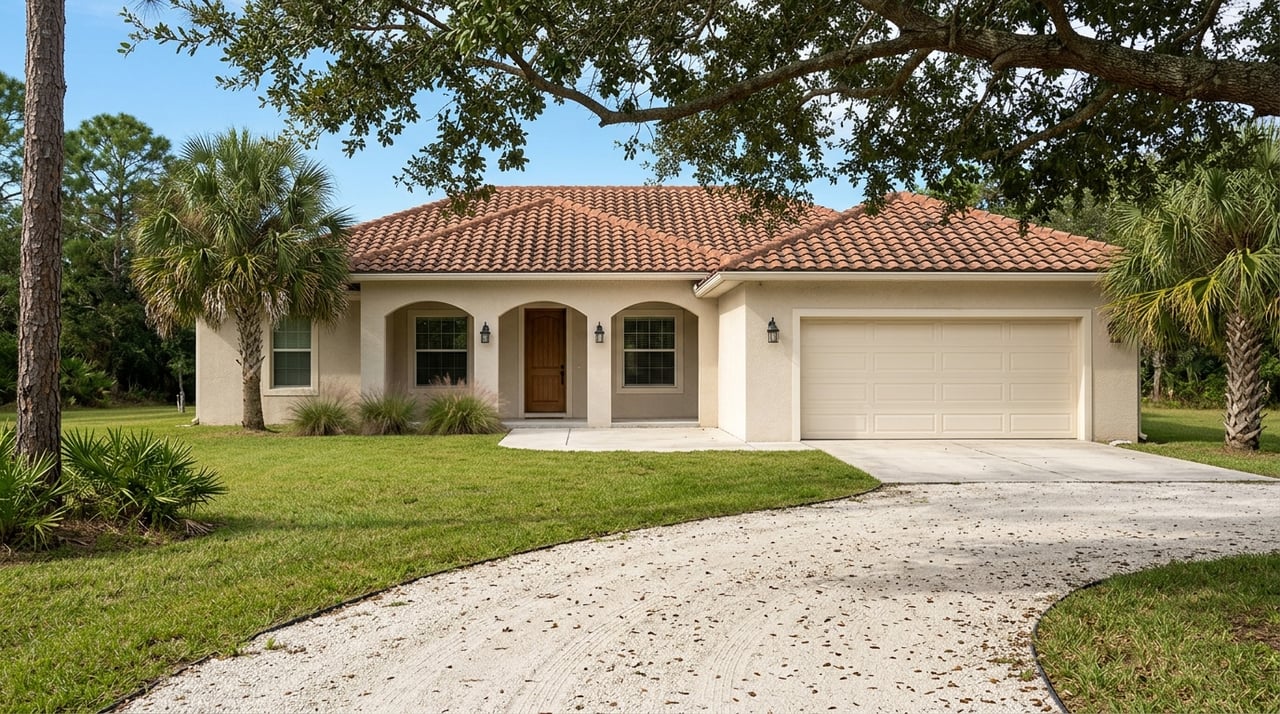
Are you dreaming about more land, more privacy, and room to spread out in western Palm Beach County? Living on acreage in Loxahatchee can offer exactly that, but it also comes with a different kind of ownership than a typical subdivision home. If you are considering this lifestyle, it helps to understand how zoning, wells, septic, drainage, and daily upkeep shape the experience before you buy. Let’s dive in.
What acreage living means here
In Palm Beach County, acreage living exists because the county’s managed-growth system separates urban, suburban, exurban, rural, agricultural reserve, and glades areas. That planning framework helps preserve rural-style housing in western parts of the county, including Loxahatchee Groves and nearby unincorporated neighborhoods often referred to as The Acreage.
The Town of Loxahatchee Groves describes itself as a rural community of about 12 square miles with roughly 1,500 lots and 1,300 residential structures. The town also notes that its 30 miles of canals support drainage, irrigation, and wildlife. That gives you a good sense of the setting: this is not just a neighborhood with bigger yards. It is a place where land and water management are part of everyday ownership.
Why buyers choose Loxahatchee acreage
For many buyers, the biggest draw is simple: space. Larger lots may offer room for open areas, driveways, paddocks, pasture, and other uses that are harder to find in more built-out parts of Palm Beach County.
You may also appreciate the more rural feel. Canals, open land, and local wildlife are part of the environment, and the overall layout feels very different from a standard suburban subdivision. If you want privacy and flexibility, that can be a major advantage.
That said, the extra space often comes with more hands-on responsibility. Acreage ownership usually means you are managing more than a house. You are also managing the land around it.
Zoning matters more than many buyers expect
One of the most important things to know is that not every acreage property has the same rules. In Palm Beach County, future land use and zoning are separate. Future land use speaks to development potential, while zoning controls rules such as setbacks and other property development standards.
If a property is in unincorporated Palm Beach County, buyers can use the county’s myGeoNav tool to look up the zoning district by address or PCN. The county also notes that unincorporated parcel control numbers generally begin with 00. This is one of the first checks worth making when you start serious due diligence.
Within the Town of Loxahatchee Groves, Agricultural Residential zoning can allow a wider range of uses than many buyers expect. Town materials list uses such as single-family homes, agriculture, private stables, nurseries, U-pick farms, private kennels, veterinary services, dog boarding, home offices, residential enterprise, and agritourism, though some uses require special exceptions.
The key takeaway is straightforward: do not assume one acreage lot works like the next one. The parcel’s exact zoning and approval path will shape what you can actually do with the property.
Animals and agricultural uses
A common question is whether you can keep horses, chickens, or other animals. According to Palm Beach County, agricultural districts can permit horses, chickens, pigs, goats, and similar animals, while residentially zoned districts do not.
That difference can have a big impact on your plans. If your goal is to keep animals or use the land in a more agricultural way, you will want to confirm the zoning early rather than treating it as a detail to sort out later.
Barns, fences, and farm structures
Another point buyers often miss is that agricultural improvements can follow different rules from standard residential improvements. Town guidance says some farm structures, fences, and signs on bona fide agricultural land may be exempt from normal building-code treatment, except for floodplain requirements.
Even so, exemptions do not mean a free pass. Drainage, floodplain, and vegetation rules may still apply, so parcel-level review is essential before you make plans for a barn, fencing, or other improvements.
Wells and septic are core ownership issues
If you are moving from a typical suburban home, utilities may be one of the biggest lifestyle shifts. The town manager stated in January 2026 that virtually all homes and farms in Loxahatchee Groves rely on private wells and septic systems.
That means your water and wastewater setup is not just background infrastructure. It is something you will need to understand, maintain, and monitor as an owner.
In Palm Beach County, the health department regulates, permits, and monitors onsite sewage systems and private wells. Well and septic plans must be approved before a building permit can be issued, and final inspection and approval are required before a certificate of occupancy.
The county also checks well locations to help keep them safely separated from septic tanks and wastewater. From a buyer’s perspective, this makes inspections and documentation especially important during the transaction.
Private well testing
For drinking water, the Florida Department of Health recommends testing private wells for bacteria and nitrate at least once a year. The department also explains that bacteria and nitrate can reach groundwater through poorly maintained septic systems, livestock areas, fertilizer use, or poorly constructed wells.
In practical terms, you should think of a private well as an active maintenance item. It is not a utility you can ignore for years at a time.
Drainage is part of the lifestyle
In Loxahatchee, drainage is not just a rainy-season concern. It is a central part of owning acreage property.
The town requires a land development permit for changes that alter drainage characteristics in special flood hazard areas. It also explains that state law and South Florida Water Management District rules require each property to manage its own stormwater runoff, even outside FEMA flood zones.
This is one reason acreage buyers should look closely at the site itself, not just the home. Grading, canals, ditches, driveway placement, and water flow can all affect how the property functions over time.
The Loxahatchee Groves Water Control District is responsible for stormwater management, road rights-of-way, and easement management. The town’s strategic planning materials also identify canal restoration, road maintenance, and drainage improvements as major priorities, which underscores how closely local infrastructure and property ownership are connected here.
Daily upkeep is more hands-on
Acreage living can be rewarding, but it usually asks more of you day to day. Town guidance on landscape management for larger lots points to irrigation systems designed for scale, regular mowing and pasture care, drainage-aware plant placement, invasive-species control, and storm preparation.
This kind of property often includes more than a lawn. Depending on the lot, you may be maintaining open land, pasture, paddocks, driveways, fencing, and tree cover. That can be a great fit if you want usable outdoor space, but it is wise to go in with realistic expectations.
Storm preparation matters
Storm readiness is part of life in South Florida, and larger properties can add more items to your checklist. The town advises owners to prepare ahead by pruning trees and securing fences and equipment.
If you have horses, planning becomes even more important. Local hurricane guidance advises horse owners to keep vaccinations current, have a negative Coggins test for evacuation or interstate travel, and prepare barns and identification plans before storm season.
Livestock waste rules
If you plan to keep livestock, waste management is also part of responsible ownership. The town sets setback distances between livestock waste activities and property boundaries or private wells, and town guidance emphasizes that livestock waste must be managed in a way that protects the water supply.
This is another example of how acreage living is tied to land stewardship. The property gives you more flexibility, but it also requires more care and compliance.
Roads, canals, and access shape daily life
Infrastructure in Loxahatchee looks different from what many buyers are used to in more conventional communities. The town says it manages more than 30 miles of canals and more than 50 miles of public roads.
That matters because access, drainage, and road conditions are part of your ownership experience. The town also maintains a Roadways, Equestrian, Trails & Greenway advisory committee focused on roadways, multi-purpose and equestrian trails, greenways, parks, and related water issues. For buyers who value a rural setting, this local framework is part of what defines the area.
A smart buyer checklist
Before buying acreage in Loxahatchee, it helps to verify the basics early. A little extra homework upfront can save you from major surprises later.
- Confirm the property’s zoning district and future land use separately
- Verify whether the parcel is in the Town of Loxahatchee Groves or unincorporated Palm Beach County
- Ask how the property handles water, septic, and drainage
- Review whether animals or agricultural uses are actually allowed on that parcel
- Check whether planned improvements may trigger floodplain, drainage, or vegetation requirements
- Evaluate how much land maintenance the property will realistically require
What this means for your home search
Living on acreage in Loxahatchee can be a great match if you want privacy, flexibility, and a more rural setting in Palm Beach County. The tradeoff is that ownership tends to be more parcel-specific and more hands-on than in a standard neighborhood.
That is why local guidance matters so much here. The best acreage purchase is not just about liking the home. It is about understanding how the land works, what the zoning allows, and what kind of day-to-day stewardship fits your goals.
If you are exploring acreage homes in Loxahatchee or nearby western Palm Beach County, working with a local advisor can make the process much clearer. For personalized guidance in English or Spanish, connect with Helen Bassie to talk through your goals and next steps.
FAQs
What does acreage living in Loxahatchee usually include?
- In this area, acreage living often means a rural-style property in Loxahatchee Groves or nearby unincorporated neighborhoods, with more land, canal-based drainage, and more owner responsibility for property upkeep.
How can you verify zoning for a Loxahatchee acreage property?
- In Palm Beach County, you should check zoning and future land use separately. For unincorporated parcels, the county says you can look up the zoning district by address or PCN using myGeoNav.
Can you keep horses or chickens on a Loxahatchee property?
- It depends on the parcel’s zoning. Palm Beach County states that agricultural districts can permit horses, chickens, pigs, goats, and similar animals, while residentially zoned districts do not.
Do Loxahatchee acreage homes usually have city water and sewer?
- No. According to the town manager, virtually all homes and farms in Loxahatchee Groves rely on private wells and septic systems.
Why is drainage such a big issue for Loxahatchee acreage homes?
- The town says properties must manage stormwater runoff, and permits may be required for changes that alter drainage characteristics in special flood hazard areas. Canals, grading, and water flow are important parts of ownership here.
What maintenance should you expect with a larger lot in Loxahatchee?
- Town guidance points to regular mowing, pasture care, irrigation planning, invasive-species control, drainage-aware landscaping, and storm prep such as pruning trees and securing fences or equipment.