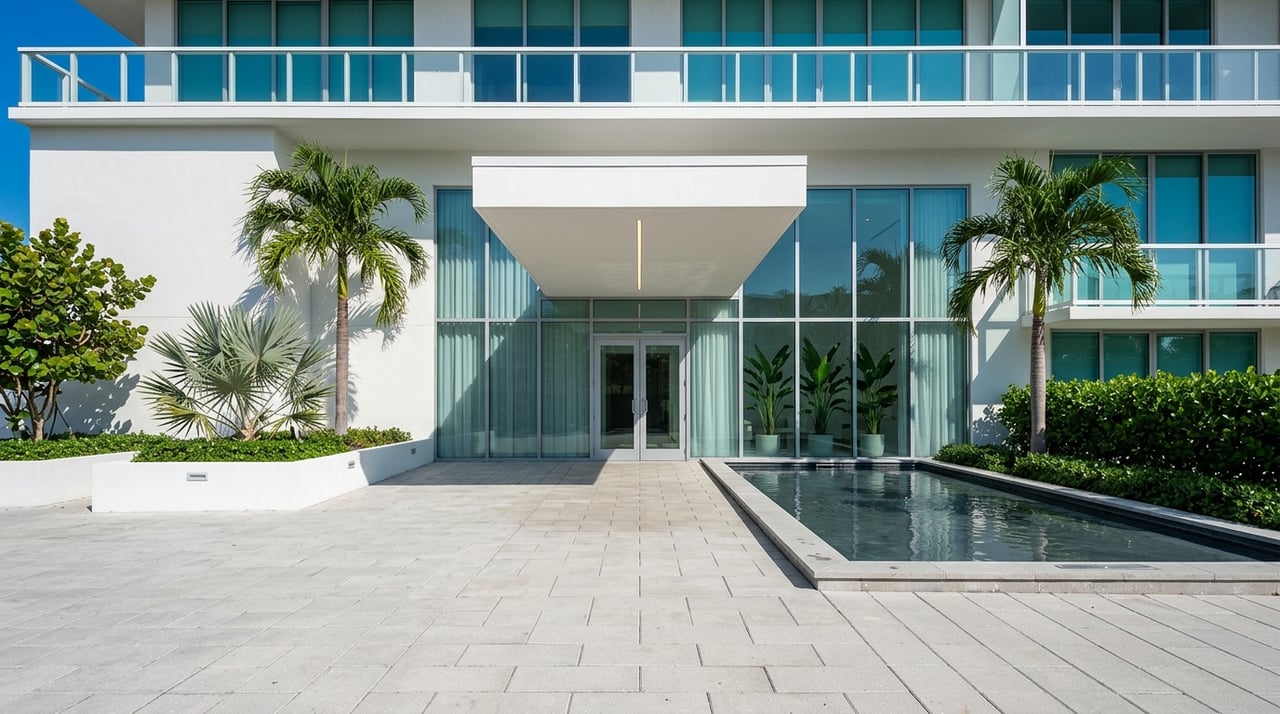
Buying a condo in West Palm Beach can look simple on the surface. You find a building you like, check the photos, and make an offer. But with condo financing rules, association documents, flood considerations, and Florida’s newer inspection requirements, the details matter just as much as the view. This guide will help you understand what to check before you buy, what questions to ask, and how to move forward with more confidence. Let’s dive in.
West Palm Beach Condo Lifestyle Options
West Palm Beach condo buyers often choose between two broad settings: the downtown mixed-use core and the waterfront edge along the Intracoastal. According to the city’s downtown master plan, areas like CityPlace and The Square are built around a mix of residential, retail, office, hotel, and cultural uses. The same plan describes the Flagler waterfront area as a district with green space, high-rise condominium buildings, and office towers along Flagler Drive.
For you as a buyer, the practical tradeoff is often convenience versus waterfront access. A downtown location may offer easier access to shopping, dining, and daily errands on foot. A waterfront building may offer stronger water views, closer access to the Intracoastal, and in some cases dock-related amenities.
Downtown Mixed-Use Condos
Downtown condos can be appealing if you want a more connected, urban feel. The city identifies the Okeechobee corridor as the traditional downtown business district, and the broader downtown area includes a mix of uses that can support a live-work-play lifestyle.
That mix can be a plus, but it can also affect financing. Because some downtown projects include hotel, retail, or office components, it is smart to confirm early whether the building meets your lender’s condo project requirements.
Waterfront Condos Along Flagler
Waterfront condos offer a different experience. The city’s planning documents describe this area as a waterfront district with green space, high-rise residential buildings, and access related to the shoreline environment.
If you are drawn to a waterfront building, remember that location can affect more than lifestyle. It can also affect flood risk, insurance costs, and the questions you should ask before you go under contract.
Florida Condo Rules You Need to Know
Florida’s condo laws have become a major part of the buying process, especially for older buildings. If a condo building is three habitable stories or higher, state law requires a milestone inspection by age 30 and then every 10 years after that. If the building reached 30 years of age between July 1, 2022 and December 31, 2024, the first inspection was due by December 31, 2025, under Florida Statute 553.899.
Associations for buildings that are three habitable stories or higher must also complete a structural integrity reserve study, often called a SIRS, at least every 10 years. Under Florida Statute 718.112, many associations had their first SIRS deadline by December 31, 2025, and budgets adopted after December 31, 2024 may not underfund the reserve items that the study requires.
These are not small technical details. They can affect monthly costs, future assessments, lender approval, and your comfort level with the building’s financial planning.
Contract Disclosures Matter
For sale contracts signed after December 31, 2024, Florida law requires the contract to clearly state whether the required inspection or reserve study has been completed. When applicable, the buyer must receive the related documents more than 15 days before signing. Under Florida Statute 718.503, a contract that does not comply can be voidable by the buyer before closing.
That means you should not treat condo documents as something to review at the last minute. In West Palm Beach, especially in older or larger buildings, this document review should happen early.
What Condo Fees May Not Tell You
Monthly dues are important, but they are only one part of the real cost of ownership. You also need to understand the building’s reserves, whether any special assessments exist, and whether future repair costs may be coming.
Florida defines a special assessment as one that is separate from the regular annual budget assessment. State law also notes that reducing reserves can create liability for unanticipated special assessments, as outlined in Florida condo statutes.
Fannie Mae also advises buyers and lenders to review what is included in the condo fee and to evaluate special assessments carefully. If a building has extensive amenities, major maintenance needs, or deferred repairs, that fee review becomes even more important.
Questions to Ask About Fees
Before you make an offer, ask for clarity on:
- What the monthly condo fee includes
- Whether there are current special assessments
- Whether any new assessments are being discussed
- How much the association has in reserves
- Whether the reserve study has been completed
- Whether recent budgets reflect the required reserve funding
These questions can help you compare two condos that may look similar online but carry very different long-term costs.
Flood Risk and Insurance in West Palm Beach
Flood risk deserves special attention in West Palm Beach, particularly for waterfront condos. The city states that it maintains a FEMA Community Rating System Class 5 rating, which it says provides a 25% discount on NFIP policies issued in the city. The city also offers a flood information resource and interactive map where you can review flood information, base flood elevation, and links to FEMA flood maps.
The city also notes two important points that many buyers miss. First, homeowners insurance usually does not cover flood damage. Second, properties outside a Special Flood Hazard Area can still flood.
Another key detail is timing. The city says flood insurance is often available even outside flood zones, but it usually has a 30-day waiting period. That is why it makes sense to price flood coverage early instead of waiting until the final days before closing.
Where to Verify Flood Maps
If you want an official source for flood hazard maps, FEMA says the Flood Map Service Center is the place to check. FEMA also explains that these maps help lenders determine whether flood insurance is required.
If you are using financing backed by a federally regulated lender and the property is in a high-risk flood zone, flood insurance may be required. That is especially relevant for condo buyers looking near the water.
Condo Financing Depends on the Building
Many buyers assume financing approval is mostly about income, assets, and credit score. With condos, that is only part of the picture. Your loan approval can also depend on whether the project itself meets lending standards.
HUD explains that FHA condo loans must be in an FHA-approved condominium project or qualify through single-unit approval rules. The project review can include insurance coverage, financial condition, title issues, pending legal action, and physical property condition, according to HUD’s condominium loan guidance.
For conventional financing, Fannie Mae notes that lenders can use its Condo Project Manager status tool to check project eligibility. Fannie Mae also says projects may be ineligible due to issues such as significant litigation, hotel or resort-style transient occupancy, too much commercial space, or inadequate insurance.
Why Downtown Buildings Need Extra Review
This is especially relevant in West Palm Beach’s downtown core. Since the city’s master plan describes mixed-use projects with hotel, retail, office, and residential uses, some buildings may need extra lender review.
That does not mean downtown condos are automatically a problem. It simply means you should confirm project eligibility early if you plan to finance the purchase.
What to Verify Before You Make an Offer
An IDX listing can help you narrow your search, but it does not replace document review. Photos, amenities, and list price are only the starting point. The real due diligence happens at the association and lender level.
Based on Florida records-access rules, special-assessment rules, and lender project-review standards, these are smart items to verify before you commit.
Condo Offer Checklist
Ask for or confirm the following:
- Current association budget
- Reserve study or SIRS status
- Milestone inspection status, if applicable
- Current or pending special assessments
- Recent financial statements
- Recent association meeting minutes
- Association insurance summary
- Project eligibility status with your lender
- Any unit-use or lease restrictions
- Minimum lease term, if you plan to rent the unit later
Florida law also treats leasing restrictions and other unit-use restrictions as important buyer disclosures. If you are buying as an investor or want flexibility later, review those rules as early as possible.
A Smart Buying Strategy for West Palm Beach Condos
If you are serious about buying a condo in West Palm Beach, start with your lifestyle goals and then move quickly into document review. Decide whether you prefer downtown convenience or waterfront access, but do not stop there. Make sure the building’s financials, inspections, insurance setup, and financing profile support your goals.
This is where having a responsive guide matters. A condo purchase has more moving parts than many buyers expect, and the right questions up front can save you time, money, and stress later.
Whether you are buying your first South Florida condo, relocating, or looking for an investment property, working with a detail-focused advisor can make the process smoother. If you want help comparing buildings, reviewing the right questions before you offer, or searching condos across Palm Beach County, connect with Helen Bassie.
FAQs
What should you check before buying a condo in West Palm Beach?
- You should review the association budget, reserve or SIRS status, milestone inspection status if applicable, special assessments, insurance summary, meeting minutes, financial statements, lender project eligibility, and any lease or use restrictions.
How do Florida milestone inspections affect West Palm Beach condo buyers?
- For buildings that are three habitable stories or higher, milestone inspections may be required by age 30 and every 10 years after that, which can affect building condition review, future repairs, and buyer disclosures.
Why do condo fees matter when buying in West Palm Beach?
- Condo fees matter because they may cover services and maintenance, but they do not always tell you whether the building has strong reserves or whether special assessments may increase your total cost.
Do waterfront condos in West Palm Beach need flood insurance?
- Some waterfront condos may require flood insurance depending on the flood zone and loan type, and even properties outside high-risk flood areas can still face flood risk.
Can a condo building affect your financing in West Palm Beach?
- Yes. Condo financing can depend on the project’s insurance, legal status, commercial mix, occupancy type, financial condition, and lender eligibility standards, not just your personal qualifications.
Are downtown West Palm Beach condos harder to finance?
- Some downtown mixed-use condos may need extra lender review because certain loan programs evaluate factors like commercial space or hotel-style occupancy, but eligibility depends on the specific project.