Wondering if that charming cottage or bungalow in Lake Worth Beach is a dream find or a bigger project than it looks? You are not alone. Buying a historic-style home here can be incredibly rewarding, but it also comes with questions about preservation rules, renovation limits, flood exposure, and long-term upkeep. If you want the character without costly surprises, this guide will help you know what to check before you buy. Let’s dive in.
What “historic-style” really means
In Lake Worth Beach, an older home can have historic character without being officially designated as historic. That distinction matters because review rules depend on whether the property is inside one of the city’s local historic districts or is an individually designated landmark.
The city identifies six local historic districts: College Park, Old Lucerne, Old Town Commercial District, Northeast Lucerne, Southeast Lucerne, and South Palm Park. It also recognizes individually significant structures, and some local resources are listed on the National Register of Historic Places. For you as a buyer, the first step is confirming the property’s actual status instead of assuming the rules based on age or style alone.
Lake Worth Beach styles to expect
One of the reasons buyers love Lake Worth Beach is the variety. You are not just looking at one “old Florida” look. The city’s historic areas include cottages, bungalows, revival styles, and several other architectural types.
Coastal cottages and vernacular homes
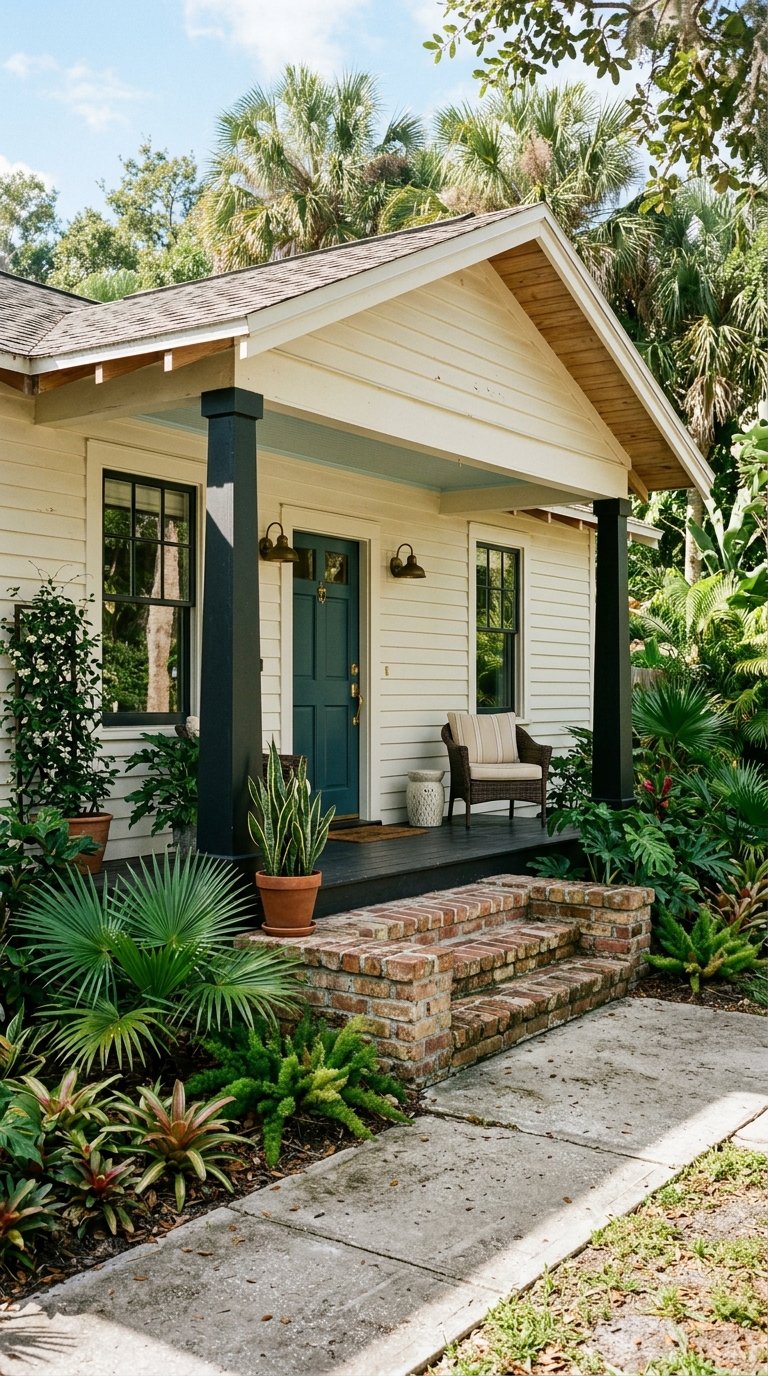
In Old Lucerne, many early homes are Wood Frame Vernacular, which the city also describes as a coastal cottage style. These homes often have simple plans, symmetrical facades, wood lap siding, gable roofs, and raised porch stoops.
Some blocks also include 25-foot-wide lots. That helps explain why many homes feel compact, efficient, and full of personality rather than oversized.
Bungalows with classic porch appeal
Bungalows are another common historic-style option in Lake Worth Beach. You may notice broad roof overhangs, deep front porches, decorative brackets or columns, and large paired windows.
Exterior finishes often include wood lap siding, wood shake siding, or rough-textured stucco. If you love homes with strong curb appeal and outdoor living space, this style often stands out.
Revival styles and more
Mission Revival and Mediterranean Revival homes add another layer of character. Local examples may feature stucco walls, parapets, barrel tile roofs, fanlight or casement windows, decorative cornices, curved stucco walls, stepped chimneys, and pecky cypress details.
The city also documents Streamline Moderne, Tudor Revival, Masonry Vernacular, Minimal Traditional, and Ranch homes in its historic districts. In other words, Lake Worth Beach offers a broader design mix than many buyers expect.
Check district or landmark status first
Before you make an offer, confirm whether the property is in a historic district or is an individually designated landmark. This is one of the most important steps because it affects what exterior changes may require review.
If the property is designated, the city requires a Certificate of Appropriateness before exterior work begins and before a building permit can be issued. Most exterior improvements or alterations are submitted at the same time as the permit application.
The city also recommends speaking with staff before finalizing designs or buying materials. That simple conversation can help you avoid choosing products or plans that may not fit the review standards.
Ask for property files early
Lake Worth Beach says city property files can include original architectural drawings, permit cards, prior permits, photographs, and other records. These files can be extremely helpful when you are trying to understand what is original and what was added later.
That matters because the scope of future repairs or renovations often depends on the home’s history. A porch, window pattern, roofline, or addition may look original at first glance, but the file may tell a different story.
Why a standard inspection may not be enough
For an older coastal house, a general home inspection is a good start, but it is often not enough. The city specifically points owners to the condition of roof structure, windows, siding, shingles, railings, elevated landings, porches, fences, and other exterior features.
You want to know not only whether the home is charming, but whether it is weathertight and water-resistant. In a coastal setting, deferred maintenance on exterior materials can become expensive fast.
Add specialized inspections when needed
A wood-destroying organism inspection is a practical step for many Lake Worth Beach historic-style homes. Florida supports multiple termite species, and termites can cause serious structural damage, especially in homes with original framing, porch elements, or older additions.
If the home was built before 1978, lead-based paint is another issue to address. Federal law requires sellers and agents to disclose known lead-based paint information before sale, and buyers have a 10-day period to inspect or assess lead hazards.
If you are planning renovations and suspect materials may contain asbestos, testing is generally recommended when the material is damaged or when work will disturb it. Samples should be taken by a trained and accredited asbestos professional.
Renovation rules can shape your budget
If you plan to update a historic-style home, the design process matters almost as much as the budget. Lake Worth Beach’s preservation approach is clear: repair and maintain historic elements first, and if replacement is needed, replicate the feature’s appearance and key characteristics as closely as possible.
That includes details like size, shape, scale, profile, material, configuration, and operability. In simple terms, replacing an old feature is not always as straightforward as choosing the least expensive modern option.
Exterior work often needs permits
The city specifically says structures and improvements such as windows, doors, roofing, decks, fences, patio slabs, pavers, driveways, and sheds require building permits. If the home is in a historic district, Historic Preservation should be part of the conversation before you buy materials or lock in a contractor plan.
For many buyers, this is where timelines can shift. If you are hoping to move in and immediately start a visible exterior project, you will want to understand the city process before closing.
Plan resilience upgrades early
Lake Worth Beach’s guidelines also address sustainability, resiliency, and building expansions. For a coastal property, that means storm-resistance and durability upgrades should be considered early, not treated as an afterthought.
When you plan early, you are more likely to balance preservation goals with practical needs like water management, exterior durability, and long-term maintenance.
Flood review matters in Palm Beach County
Palm Beach County describes the area as relatively flat, low-lying, heavily developed, and especially susceptible to flooding. It also notes that some flood events happen outside FEMA Special Flood Hazard Areas.
That means a low-risk map label should not be your only comfort. A parcel-specific review is a smarter way to understand what you may actually face as an owner.
What to verify before closing
The county recommends confirming flood information with an official flood-zone determination. It also says buyers should use a Florida licensed engineer, architect, or surveyor before purchase or construction.
If the property is in a Special Flood Hazard Area and the mortgage is government-backed, flood insurance is required. It is also important to know that homeowners insurance does not cover flood damage.
Understand the long-term ownership costs
Historic-style homes often reward you with character, curb appeal, and details that are hard to find in newer construction. But they also tend to require a more active maintenance mindset.
In practical terms, your budget may need room for roof upkeep, window and door maintenance, drainage work, repainting, stucco or wood repair, pest prevention, and possible lead or asbestos testing before renovation. The key question is not just whether you love the home today, but whether its upkeep fits your finances and timeline over time.
A possible tax benefit to ask about
Lake Worth Beach says that, in conjunction with Palm Beach County, a 10-year ad valorem property tax abatement may be available for qualifying rehabilitation projects on contributing historic properties. That can be meaningful if you are considering a major restoration.
Still, do not build your numbers around it without verification. Before counting on any savings, confirm current eligibility requirements for the specific property and project.
How to buy with confidence
The best Lake Worth Beach historic-style purchase is usually not the one with the cutest porch alone. It is the one where you understand what is original, what has been changed, what the city regulates, and what the home will likely cost to maintain.
When you do that homework upfront, you can buy with clearer expectations and fewer surprises. That is especially valuable in a market where charm and complexity often come together.
If you are thinking about buying a historic-style home in Lake Worth Beach, working with a local advisor can help you ask better questions early, compare homes more carefully, and build a smarter plan around your budget and goals. When you are ready for tailored guidance across Palm Beach County, connect with Helen Bassie.
FAQs
What makes a Lake Worth Beach home historic-style instead of officially historic?
- A home may have older architectural character without being in a local historic district or being an individually designated landmark. In Lake Worth Beach, the review rules depend on the property’s official designation status.
What should you verify before buying a home in a Lake Worth Beach historic district?
- You should confirm whether the address is inside a historic district or is a designated landmark, because exterior work on designated properties may require a Certificate of Appropriateness before permits are issued.
What architectural styles are common in Lake Worth Beach historic areas?
- Buyers may see coastal cottages, Wood Frame Vernacular homes, bungalows, Mission Revival, Mediterranean Revival, Streamline Moderne, Tudor Revival, Masonry Vernacular, Minimal Traditional, and Ranch homes.
What inspections are important for an older Lake Worth Beach home?
- Along with a general inspection, it is often wise to evaluate roof structure, windows, siding, porches, railings, and other exterior elements, and to consider a wood-destroying organism inspection for possible termite damage.
What should buyers know about lead paint in older Lake Worth Beach houses?
- If the home was built before 1978, federal law requires disclosure of known lead-based paint information, and buyers have a 10-day period to inspect or assess lead hazards.
What flood questions should buyers ask about a Lake Worth Beach property?
- Buyers should get a parcel-specific flood review, confirm the official flood-zone determination, and understand that flood events can happen outside mapped high-risk areas in Palm Beach County.
What kinds of exterior projects may need permits in Lake Worth Beach?
- The city says items such as windows, doors, roofing, decks, fences, patio slabs, pavers, driveways, and sheds require building permits, and designated historic properties may also need preservation review.
Is there a tax benefit for rehabilitating a historic property in Lake Worth Beach?
- Lake Worth Beach says a 10-year ad valorem property tax abatement may be available for qualifying rehabilitation projects on contributing historic properties, but buyers should verify current eligibility before relying on it.